
Ledger / About
Who keeps the ledger in Kutaisi
A small practice in Imereti that treats module performance as something you walk, count, and then draw — not as a speech about improvement.
Why the desk exists
Kutaisi still has rooms where a module is a physical fact: a bay with a door, a plant with a gauge, a prefabricated block whose winter claim will be tested by Imereti weather. People in those rooms are asked for numbers. The numbers often live in three notebooks and a memory. Module Layercore Analytics was opened so that an independent visitor could take those notebooks seriously, walk the unit, and then draw what the window actually contained.
We are not a factory. We are not a ministry. We are three people and a briefing table on the eighth level of 63 Gamsakhurdia Street. The work arrived first from packing halls and mill plant rooms west of the city, then from builders who needed a second reading of how a modular block was behaving after handover.
How we like to work
The claim comes from you. The window is argued in daylight. Observation is dated. Charts are plain. Findings separate what was seen from what someone hopes. The briefing is the close, not a performance.
We speak Georgian and English in the room. We write the findings in the language the meeting will actually use. If a visiting partner needs an English copy, we prepare one from the same log — we do not keep two truths.
What we will not pretend
We will not sign a letter that treats a missing week as typical. We will not draw a chart whose scale hides the only bad day. We will not call ourselves a product. The visualization is a servant of the walk. If the walk cannot happen, we decline the job rather than illustrate a rumour.
Credentials in this field are mostly other people’s floors. Clients who want a name they can telephone after the briefing are given Nino’s. The office telephone is printed in the footer of every sheet.
The people who sign the findings

Nino Beridze
Walks the module first. Writes the claim back to the client in their own words before anyone counts, so the later chart cannot drift into a different promise.
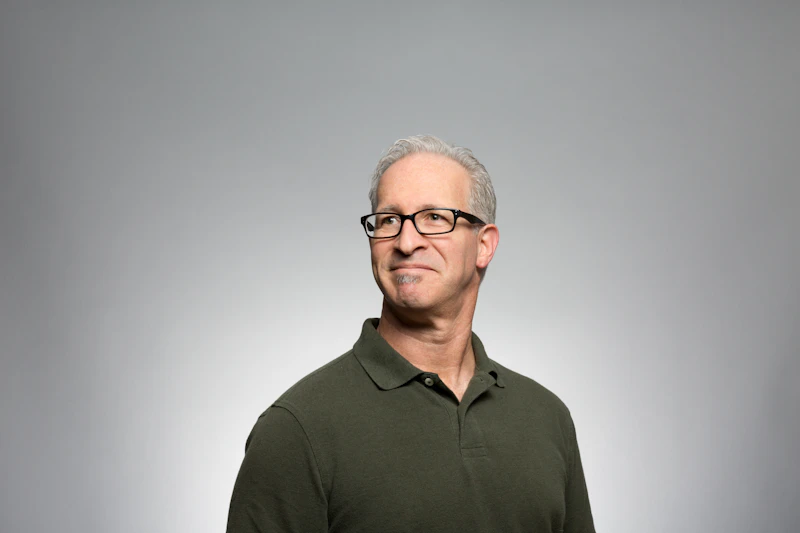
Giorgi Tskhvediani
Keeps the dated marks honest. If a meter was unread, the log says unread. He would rather a hole in the chart than a guessed Friday.

Tamar Kapanadze
Turns the log into sheets a shift lead can mark with a pencil. She refuses decoration that hides a thin sample.